Every December, thousands of Africans in the diaspora land in Accra for Detty December.
The music.
The food.
The energy.
The reconnection.
And somewhere between a family gathering and a night out, the thought sneaks in:
“Maybe it’s time to finally buy a house in Ghana.”
It’s a beautiful idea and for many, a life-changing decision.
But it’s also where a lot of people get tripped up.
After years of working with diasporans exploring real estate in Ghana, one thing is clear: the excitement is real, but so are the misconceptions.
If you’re considering houses for sale in Ghana, looking at gated communities, or even thinking of building, here are 10 things people in the diaspora often misunderstand and what you should know instead.
“Land is cheap everywhere in Ghana.”

Not quite.
Yes, Ghana still offers better value compared to many countries abroad. But good land is never cheap especially in places with infrastructure, security, and growth potential.
Areas like East Legon Hills, Oyarifa, Sakumono, and Tema Community 25 have seen steady price increases over the years. When land is:
- properly titled
- well-located
- accessible
- litigation-free
The above factors will reflect that value. Cheap land usually means compromise and sometimes risk.
“Once I buy land, I own it forever.”
This is a very common misunderstanding.
In Ghana, land ownership is typically leasehold, not outright freehold especially in urban areas. Most leases run for:
- 50 years, or
- 99 years
What matters is:
- how much time is left on the lease
- whether renewal is possible
- and what the terms actually say
Always understand what you’re buying before you commit.
“Anyone showing property must be legit.”
Unfortunately, no.
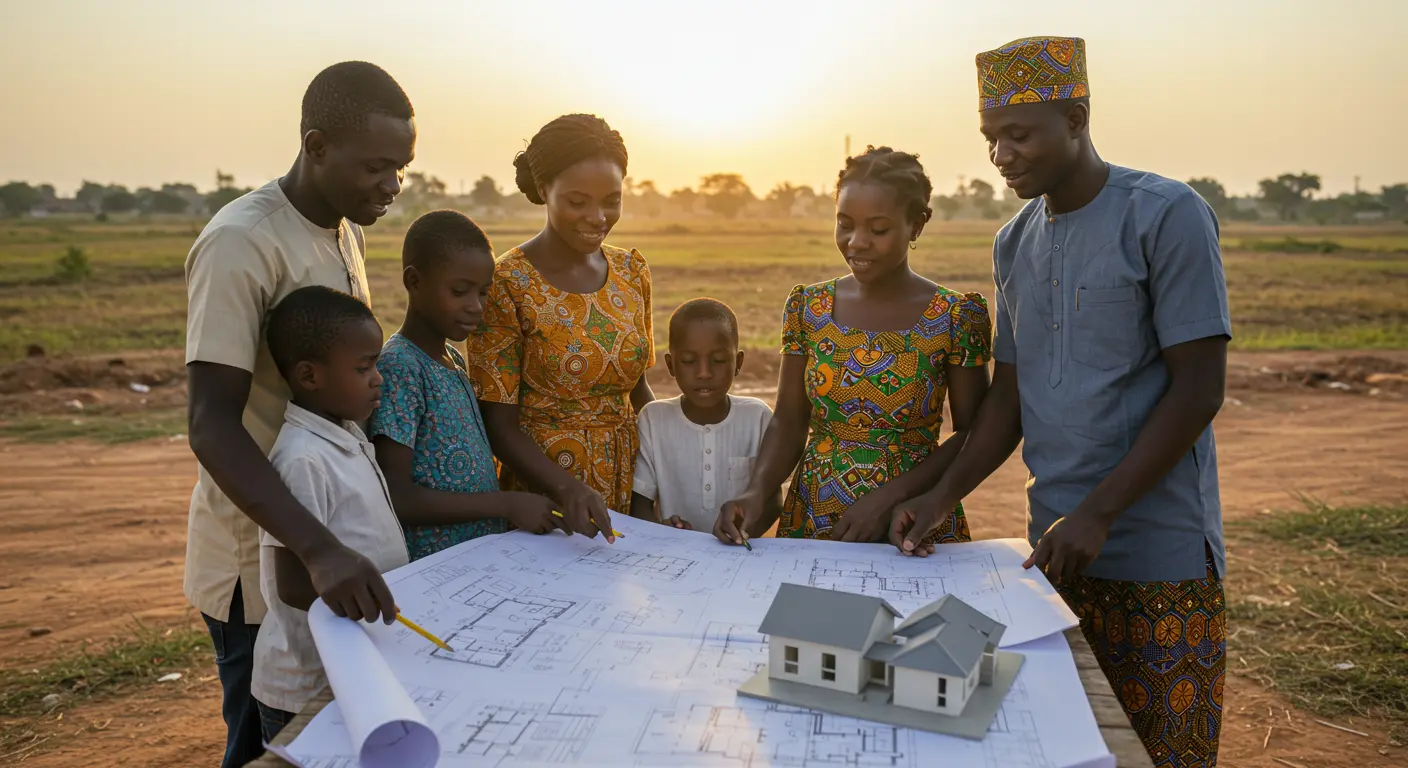
In Ghana, anyone can call themselves a real estate agent. That doesn’t automatically mean they’re trained, regulated, or accountable.
Before engaging:
- verify the company
- request documentation
- ask about past projects
- confirm land ownership
This is one reason many diasporans lean toward gated communities in Ghana; the process is clearer, structured, and documented.
“Mortgages don’t exist in Ghana.”
They do and diasporans often have an advantage.
Banks are generally more comfortable with stable foreign income, especially when it’s properly documented. While interest rates may be higher than what you’re used to abroad, mortgage products for diasporans are:
- real
- growing
- increasingly accessible
It’s not impossible, it just requires the right guidance.
“It’s always better to build than to buy.”
Sometimes. Not always.
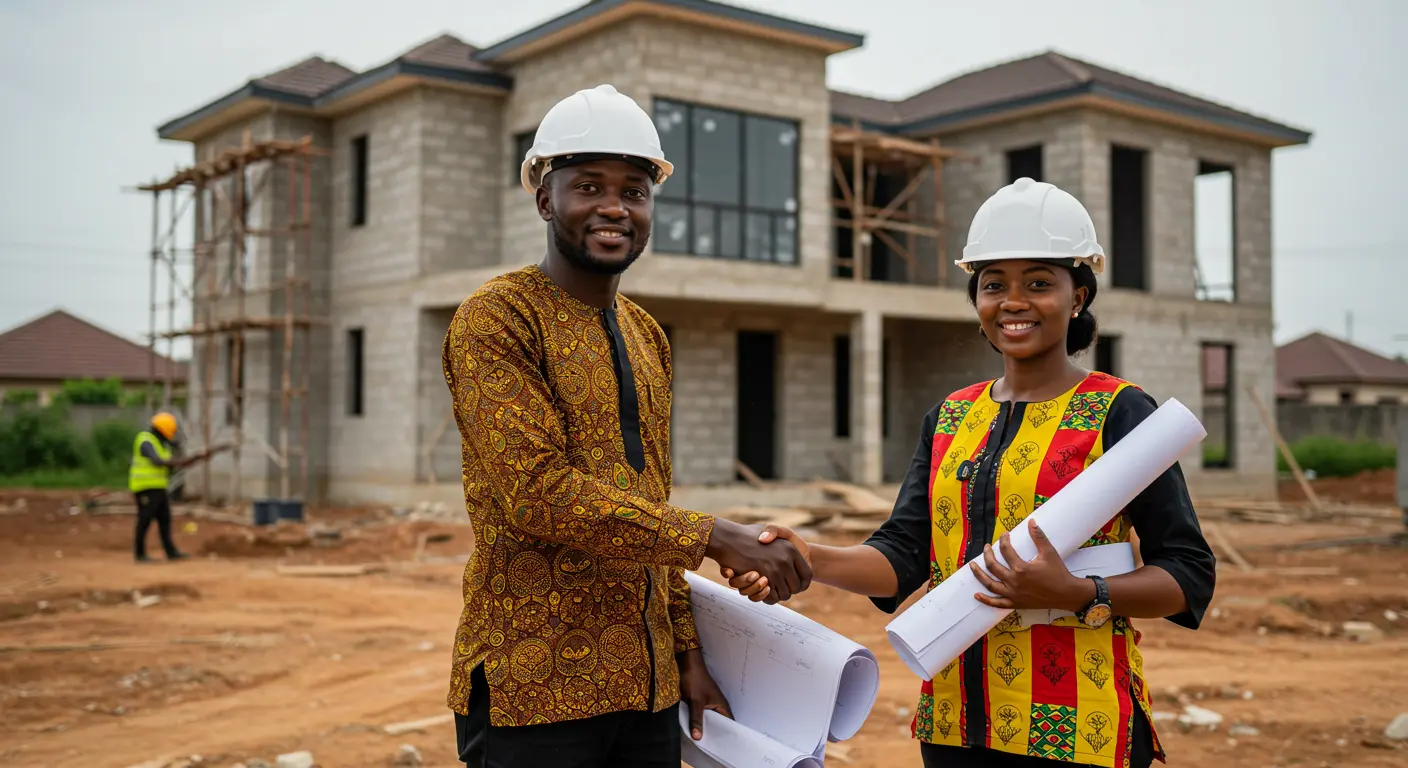
Building from scratch can:
- stretch budgets unexpectedly
- take years longer than planned
- involve unreliable contractors
- come with hidden costs
For many people, especially those abroad, buying a completed home in a planned estate is simpler and far less stressful.
Modern estates handle:
- approvals
- infrastructure
- security
- management
So you focus on living not firefighting.
“Accra is the only place worth buying.”
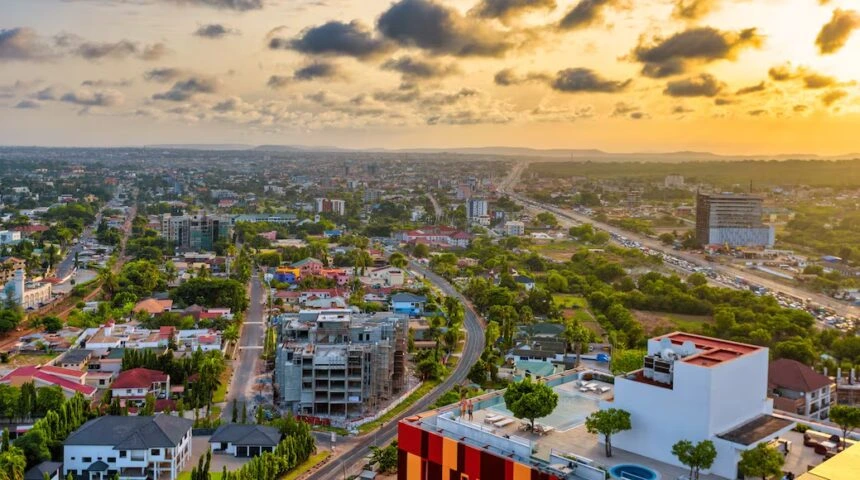
Accra is popular but it’s also crowded and expensive.
Many diasporans are now looking slightly beyond central Accra to areas like:
- Tema Community 25
- Prampram
- Sakumono
These locations offer:
- better layouts
- quieter environments
- improved road access
- strong appreciation potential
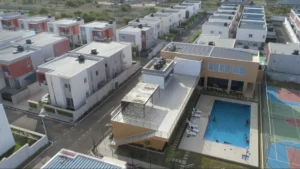
That’s why developments like The Greens Estate are gaining attention.
“All estates are basically the same.”
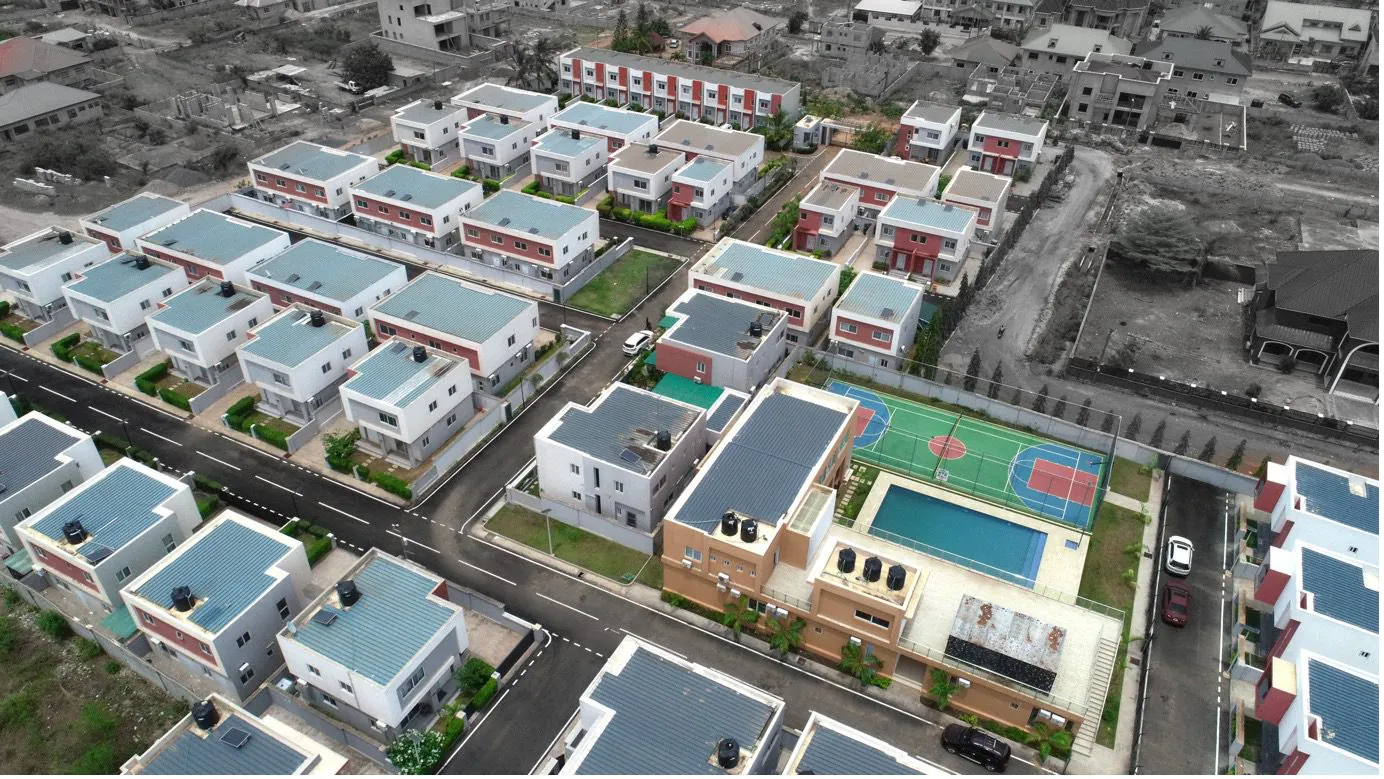
They’re not.
Some estates are thoughtfully planned communities with:
- 24/7 security
- Amenities
- proper drainage
- landscaped spaces
- reliable estate management
- family-friendly layouts
Others are simply houses grouped together with no long-term vision.
When comparing estates, look beyond the house itself. Ask about:
- amenities
- developer track record
- maintenance structure
- community rules
Those details matter more than you think.
“The cheapest option is the smartest choice.”
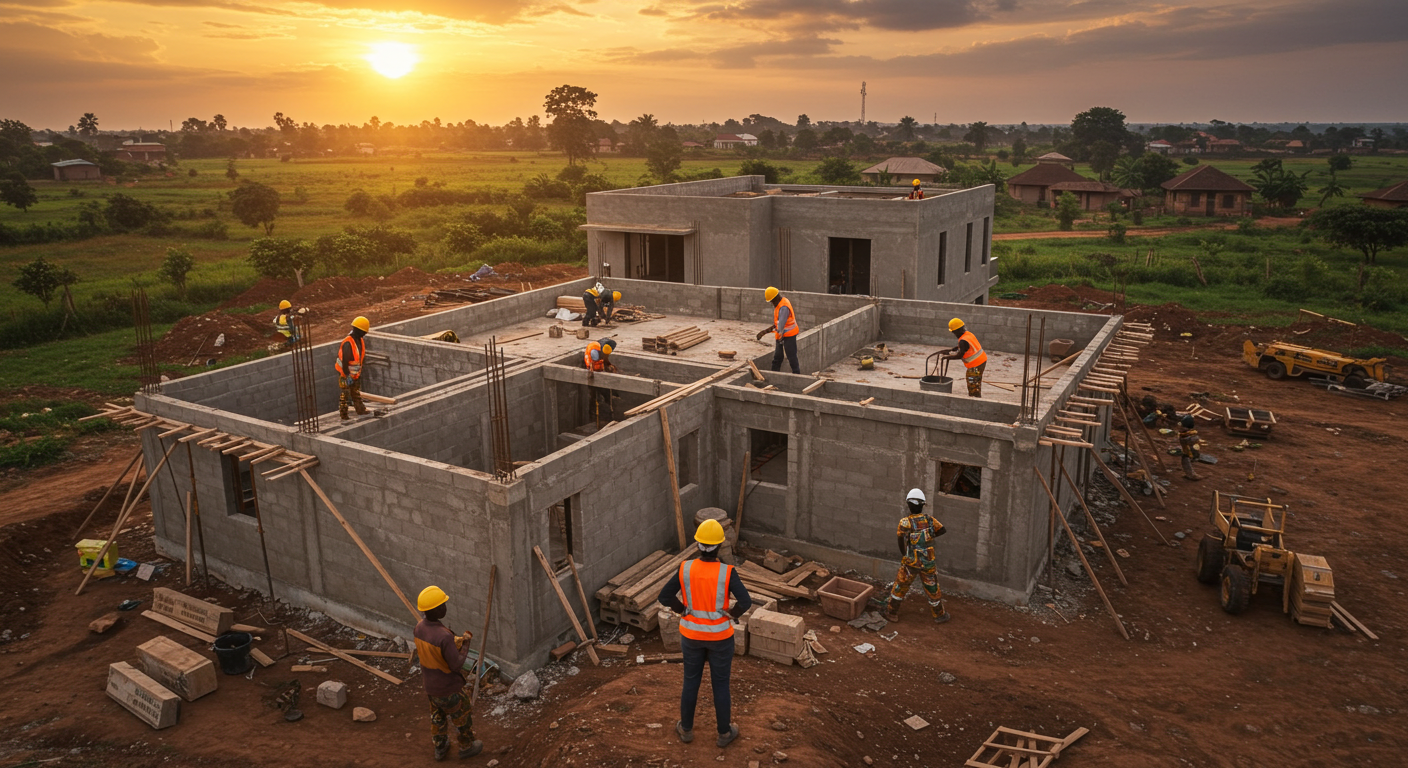
Cheap property often hides expensive problems:
- land disputes
- poor finishing
- weak infrastructure
- no security
- no long-term value
Planned communities may cost more upfront, but they save you money, stress, and regret in the long run.
“I don’t need to see the place — virtual tours are enough.”

Virtual tours help.
But nothing replaces being there.
Try to:
- walk the roads
- see the surrounding neighborhood
- meet the people behind the project
- feel the environment
If you’re in Ghana, even briefly, make time for at least one physical visit. Your future home deserves that effort.
“Buying property in Ghana is too complicated.”
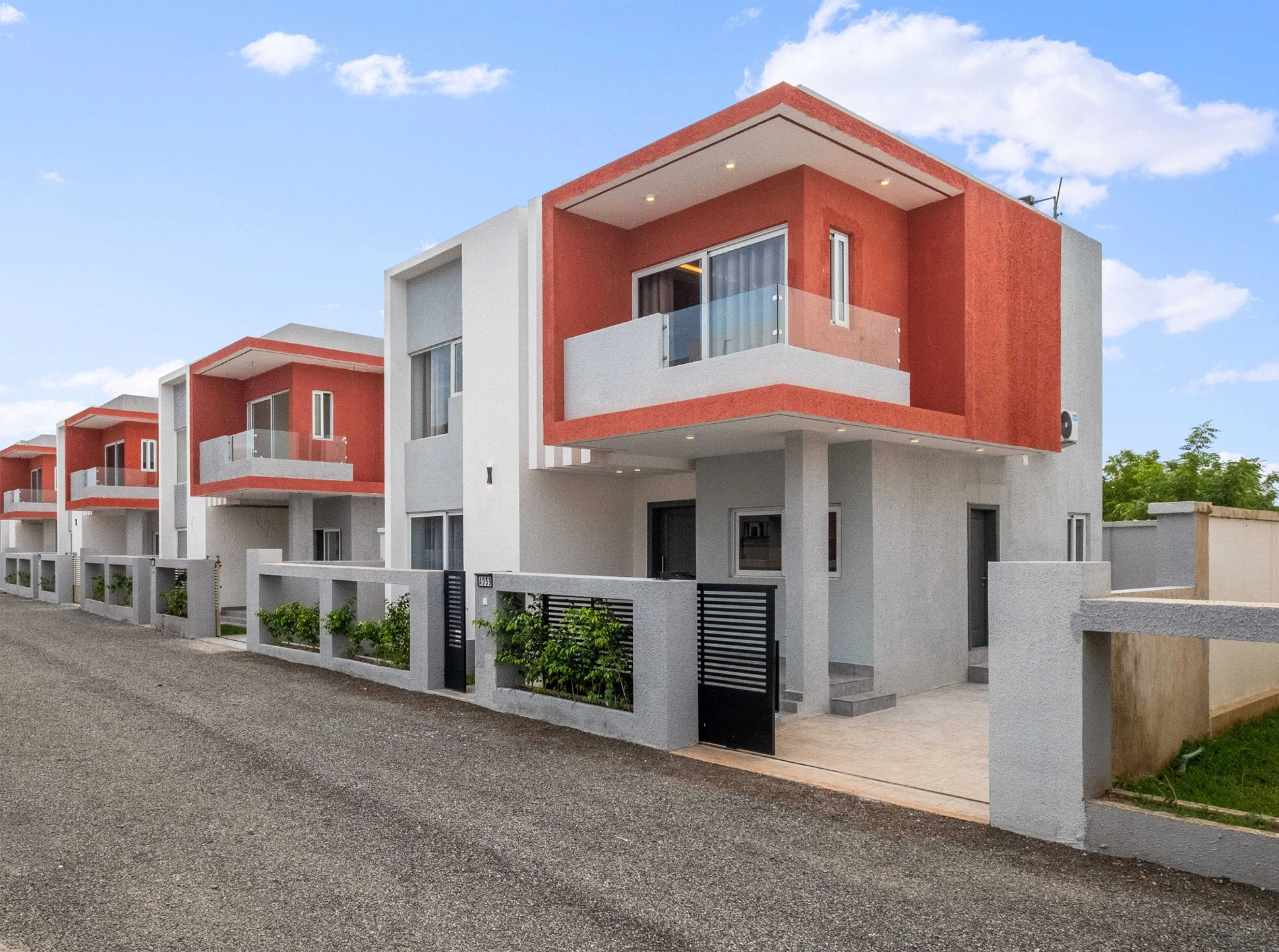
It only feels that way when you go through the wrong channels.
With credible developers, transparent processes, and proper documentation, buying property in Ghana can be:
- straightforward
- secure
- well-structured
That’s why many diasporans choose established estates like The Greens Estate, where systems are already in place to guide you smoothly from inquiry to ownership.
Final Thoughts
Buying property in Ghana is one of the most meaningful investments many diasporans make, especially after reconnecting during Detty December.
The key isn’t rushing.
It’s understanding.
Get the right information.
Work with the right people.
Choose environments built for long-term value.
In Ghana this December? You’re welcome to pass through The Greens Estate, Tema Community 25 for a relaxed tour, no pressure, no obligation. Sometimes seeing the community tells you more than any article ever could.
 Let’s Talk: +233 54-010-2102
 Visit: The Greens Estate, Community 25, Tema