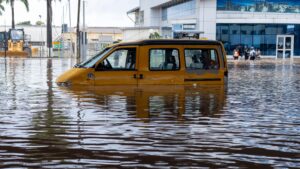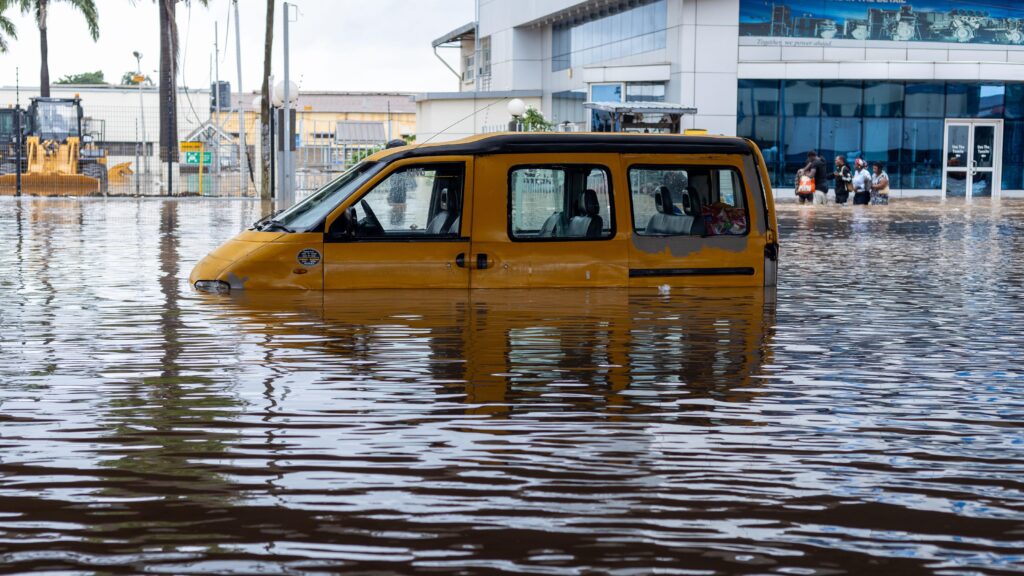
Finding the right home to rent involves more than comparing prices or choosing a convenient location. One factor many renters overlook is whether the property is located in a flood-prone area.
Every rainy season, many people experience flooded roads, water entering their homes, damaged belongings, and unexpected repair costs. While you can’t control the weather, you can choose a home in a community that’s been properly planned.
Before signing a lease, ask these important questions to protect yourself and your belongings.
1. Has This Property Ever Flooded?
This should be the first question you ask. A landlord should be honest about whether the property has experienced flooding in the past. If the answer is yes, ask how often it happened, how severe it was, and what measures have been taken to prevent it from happening again.
2. Does the Surrounding Area Flood During Heavy Rain?
Sometimes the house stays dry, but the surrounding roads become flooded, making it difficult to leave for work, school, or emergencies.
Ask whether nearby streets remain accessible after heavy rainfall and if residents have experienced transportation challenges during the rainy season.
3. How Is the Drainage System?
A good drainage system is one of the most important features of any community.
Ask whether:
- Storm drains are properly installed.
- Gutters are cleaned regularly.
- Water flows away from the property instead of collecting around it.
- The community has been designed to handle heavy rainfall.
Proper drainage significantly reduces the risk of flooding.
4. Can I Visit the Property After It Rains?
Pictures can make any property look attractive, but they don’t show how the neighborhood performs during a storm.
If possible, arrange a viewing shortly after rainfall. This allows you to see:
- Whether water pools around the property.
- If roads become flooded.
- How quickly rainwater drains away.
5. Are There Signs of Previous Water Damage?
Walk through the property carefully and look for warning signs, including:
- Water stains on ceilings or walls.
- Peeling paint.
- Mold or mildew.
- Warped wooden floors.
- Damp or musty smells.
These may indicate previous flooding or poor moisture control.
6. Who Pays for Flood-Related Repairs?
Before signing the lease, understand who is responsible if flooding causes damage.
Ask questions such as:
- Will the landlord repair flood damage?
- Are tenants responsible for damaged personal belongings?
- Does the lease mention flooding or water damage?
Knowing this in advance can help avoid disputes later.
7. Is Renters Insurance Recommended?
Although not everyone purchases renters insurance, it’s worth asking whether previous tenants had it and whether it covers flood-related damage.
Replacing furniture, electronics, and personal belongings can be expensive after a flood.
8. What Do the Neighbors Say?
Current residents often provide the most honest information.
Ask questions like:
- Does this area flood every rainy season?
- How are the roads after heavy rain?
- Have there been any drainage issues?
Their experiences can help you make a better decision.
9. Are Essential Services Still Accessible During Heavy Rain?
A good location isn’t just about being close to schools, shops, and hospitals.
Ask whether residents can still reach these places safely during heavy rainfall. Flooded roads can make daily life stressful and even dangerous.
10. Why Are Previous Tenants Leaving?
People move for many reasons, but it’s always worth asking.
If multiple tenants left because of recurring flooding or drainage issues, that’s an important warning sign.
Bonus Tip: Research Before You Sign
Don’t rely only on what you’re told.
Visit the neighborhood at different times of the day, check online reviews if available, and speak with local residents. A few extra hours of research could save you thousands in future repairs and inconvenience.
Why Flood-Free Communities Matter
Flooding affects more than just buildings. It can damage vehicles, destroy household items, interrupt work and school, increase maintenance costs, and reduce the long-term value of a property.
Communities that are thoughtfully planned with proper drainage, quality roads, and reliable infrastructure provide greater comfort, convenience, and peace of mind throughout the year.
Whether you’re renting or buying, choosing a well-planned community is an investment in your future.
Looking for a Flood-Free Community?
If you’re searching for a home where you can enjoy peace of mind during the rainy season, The Greens Estate in Community 25, Tema, is designed with quality infrastructure and effective drainage in mind.
To date, The Greens Estate has not experienced flooding, thanks to careful site planning and a well-engineered drainage system. Residents continue to enjoy accessible roads and a comfortable living environment, even during periods of heavy rainfall.
When choosing your next home, don’t just ask about the rent—ask about the community. A home should provide more than shelter; it should offer safety, comfort, and confidence in every season.
Thinking about making your next move? Visit The Greens Estate, Community 25, Tema, and discover a community built for modern living, lasting value, and peace of mind.